Painting Kitchen Cabinets Instead of Replacing Them: What the Prep Involves
A cabinet repaint is mostly preparation, and knowing the steps helps you judge any quote you get.
October 5, 2026 · 4 min read
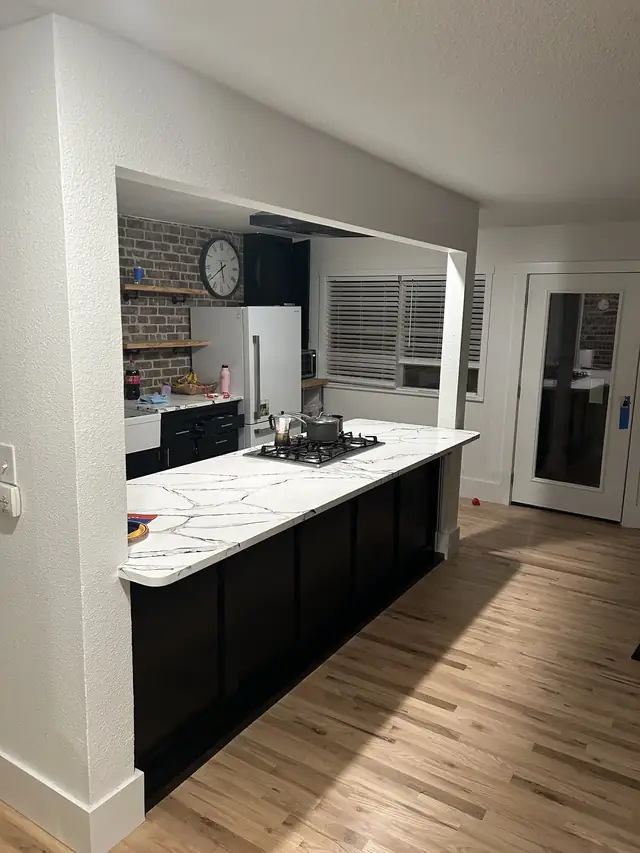
If your kitchen layout works and the cabinet boxes are solid, replacing them is often more than the room needs. Painting is a way to give a kitchen or bathroom a high-end makeover without tearing out the cabinets. It is also one of the jobs where the difference between a good result and a poor one is almost entirely invisible: it is in the prep. Here is what that prep includes, and how to care for the finish afterward.
When painting makes sense
Painting works best when the cabinets are structurally sound, the doors close properly and you like the layout. Dated color, worn finish, honey-oak tones from the nineties and scuffs near the handles are all things paint can fix. Swollen, water-damaged boxes, sagging particleboard or a layout you want to change are different stories, and replacement may be the better call there. A good painter will tell you which category you are in rather than paint over a problem.
In Northwest Arkansas, plenty of kitchens built in the boom years around Rogers, Bentonville and Springdale have solid cabinets and tired finishes, which is exactly what this job is for.
What proper prep looks like
- Remove the doors, drawer fronts and hardware, and label each one so it goes back where it came from.
- Clean and degrease every surface. Kitchens carry a film of cooking oil and grime that you may not see, and paint will not stick to it.
- Sand to dull the old finish. Smooth, glossy surfaces need to be scuffed so the new coat has something to grip.
- Fill dings, dents and old hardware holes, then sand smooth.
- Prime with a product made to bond to the existing surface, especially over stained wood, which can bleed through paint.
- Apply the finish in thin, even coats, with light sanding between them, so there are no drips or brush marks.
That list is the reason a cabinet job takes longer than people expect. Painting cabinets is surface preparation, sanding and smooth finishes that resist wear and tear, and the time goes into the first three items on that list, not the paint. Our crew uses dust-extracted sanders to keep the dust out of your house while the surfaces are being prepared.
Dry is not cured
A freshly painted cabinet door can feel dry within hours, but the finish keeps hardening for days and sometimes a few weeks. During that time it is softer than it looks. This is the stage where most damage happens, because the doors feel ready and get used hard. Ask your painter how long the specific coatings need to cure, and treat the cabinets gently until then.
Caring for the finish
- Go easy for the first couple of weeks. Open and close doors gently and avoid slamming.
- Use a soft cloth with warm water and a mild soap. Skip abrasive pads and harsh cleaners, which dull and scratch the surface.
- Wipe up splatter near the stove and sink promptly, since moisture and grease are what wear a finish down.
- Do not hang damp towels over doors or leave a wet sponge against the wood.
- Put small clear bumpers inside doors and drawers so they do not knock against the frame and chip the edges.
- Keep a little leftover paint for touch-ups, and fix chips early before moisture creeps under them.
Those habits cost nothing and make a bigger difference to how the finish looks in three years than most people expect.
Choosing the sheen and color
Cabinets take a lot of hand contact, so satin and semi-gloss are the common choices, because they wipe clean more easily than flat. A shinier sheen shows prep flaws more, which is one more reason the sanding and filling steps matter. As for color, white and soft neutrals stay popular, and deep tones like navy or black on an island make a strong contrast against light counters. In kitchens and bathrooms, we use low-VOC, washable finishes designed to resist humidity.
Tape lines, ceiling edges and the surrounding walls matter too. A painted cabinet next to scuffed walls looks unfinished, so it often makes sense to treat the walls and trim at the same visit.
How to judge a quote
When you compare estimates, ask what the process is, not just what the price is. Do they remove the doors? Do they degrease and sand? What primer do they use? How long do they ask you to wait before heavy use? A bid that skips those answers is probably skipping steps. A good estimate lays out the work clearly and is based on actual measurements, not a guess over the phone.
Quality Pro Painting offers cabinet painting for kitchens and bathrooms across Springdale, Bentonville, Rogers, Fayetteville and Bella Vista. To see what your cabinets need, call (479) 966-6381 or visit /estimate for a free measured estimate with upfront pricing.
Quality Pro Painting, (479) 966-6381
Call (479) 966-6381More articles
Lime Wash, Paint or Pressure Washing: What Your Northwest Arkansas Brick Needs
Three ways to refresh tired brick, what each one really does, and how to pick the right one for your house.
How Often to Repaint Your House Exterior in Northwest Arkansas
The usual answer is every 5 to 10 years, and your sun-baked walls will tell you where your house falls in that range.